
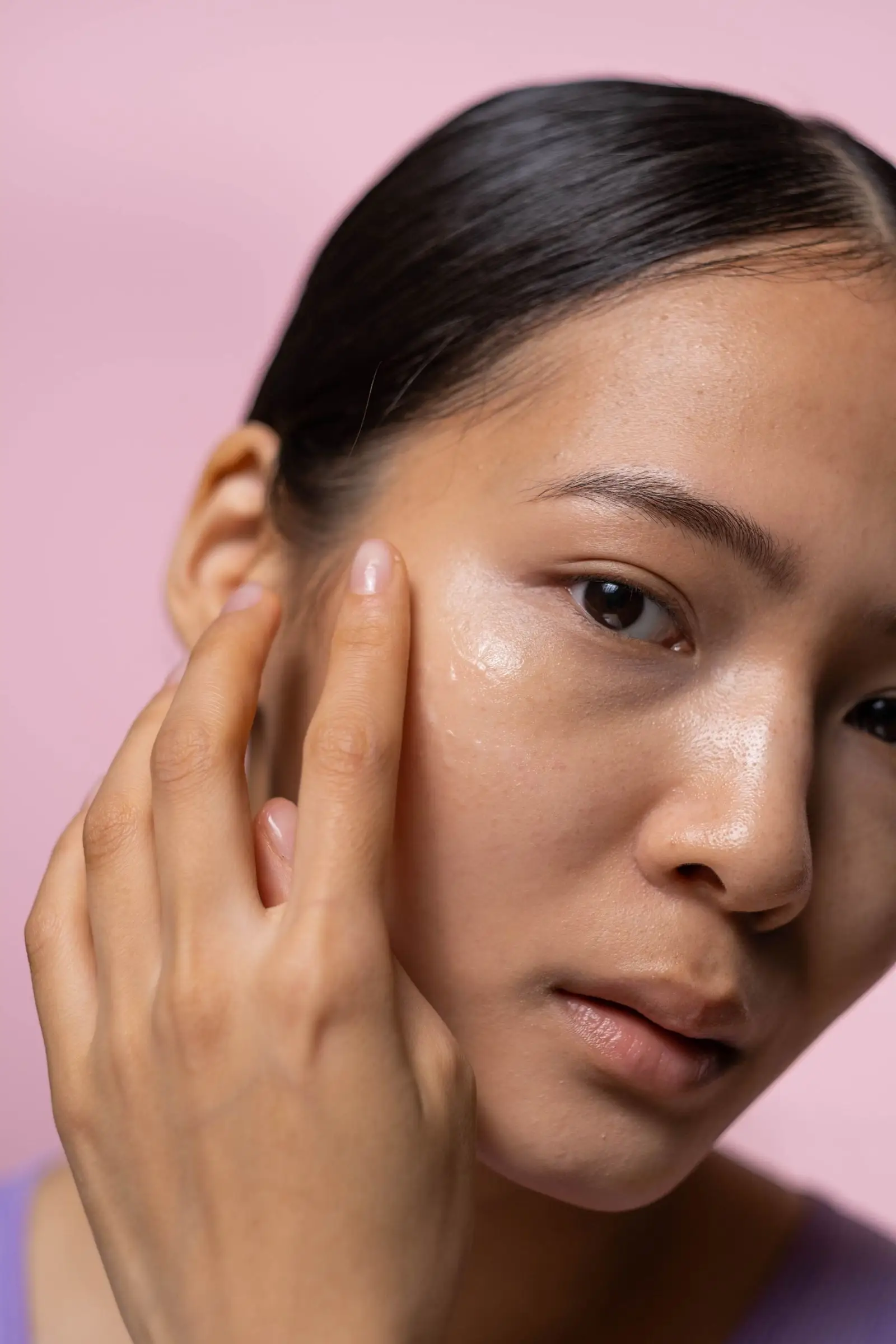
Is darkening normal?
A change in colour needs to be considered alongside timing, discomfort and other skin changes. Darker colour on its own is not a reliable way to judge the outcome of a treatment.
What should I describe when I contact the clinic?
Explain when the change began and whether you have noticed discomfort or other symptoms. Mention the products you have used since the appointment. Follow the instructions provided for your own appointment rather than another person’s timetable.
What should I do during it?
Very little, deliberately. Gentle cleansing, moisturizer, daily sunscreen on the treated area, and no picking. Skip exfoliants and strong actives for the first days, and keep the area out of strong sun. New, light-sensitive skin is exactly what you do not want to tan.
When is darkening not the normal kind?
If the skin around the spots, not just the spots, darkens broadly, or the area blisters, or discomfort persists beyond a day or two, contact us rather than waiting. Deeper skin tones carry more baseline pigment, which is why settings are chosen conservatively at assessment; it is also why we would rather see a photo of your week-two skin than have you guess.
The part to settle before the first flash.
Whether your particular marks are the kind that lift this way at all. Some are not, and light is not their tool. That is what the in-person assessment is for: the consultation is $75, credited to any treatment you complete within 30 days.